


We’ve all been there. You check into a beautiful hotel room after a long day of travel, kicked off your shoes, and ready to crash. You find the bed, get under the covers, and look for the master switch to plunge the room into blissful darkness.
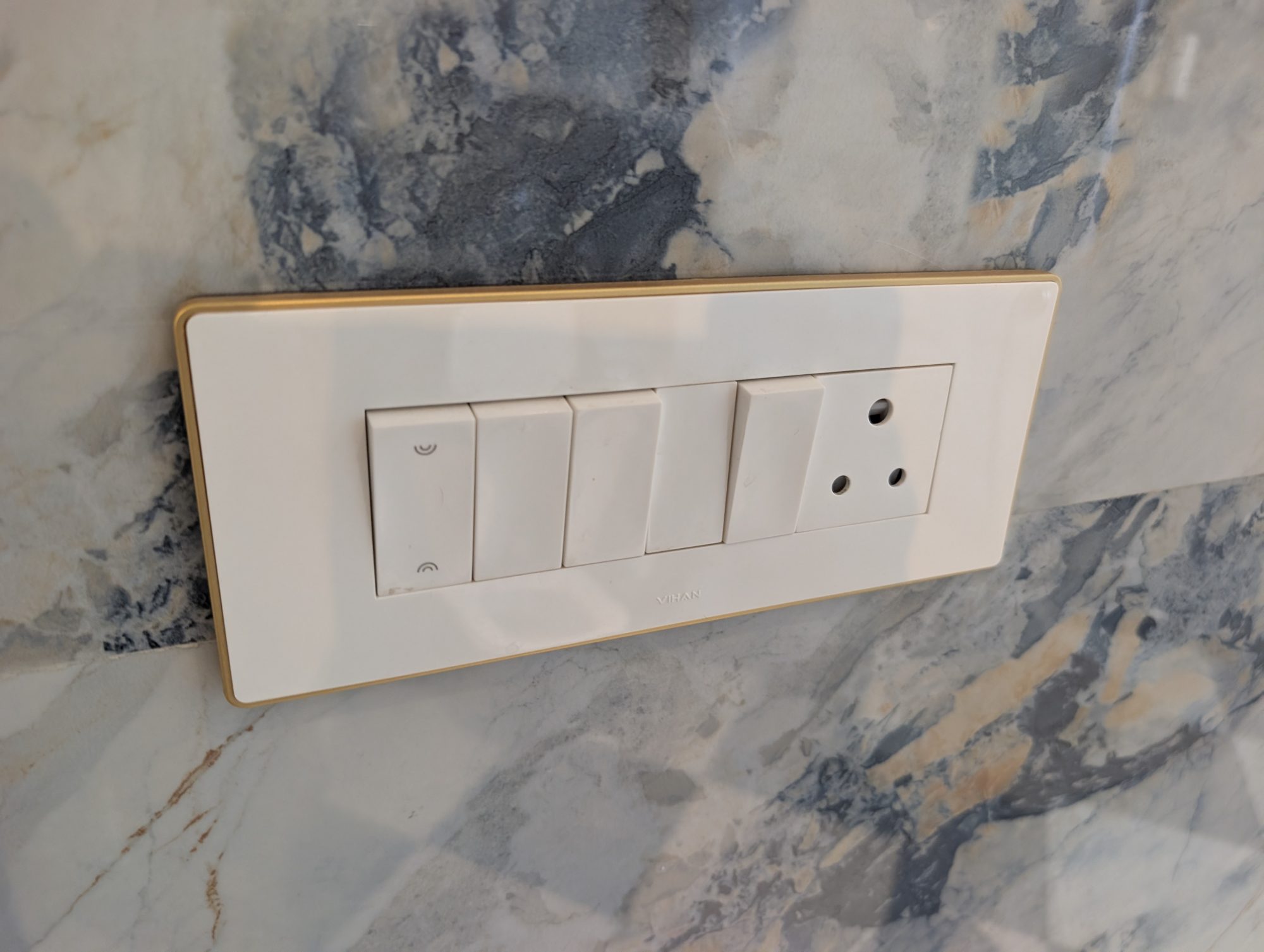
Instead, you find a wall plate that looks like the cockpit of a Boeing 747.
I am currently staying in a hotel in Udaipur, India, and I have officially hit my breaking point. My room features an astonishing 26 different switches to control a grand total of eight overhead lights. Let that sink in. A nearly 3-to-1 ratio of switches to light bulbs.
The First Hour Ritual
I don’t know exactly when the hospitality industry decided that basic illumination needed to be treated like a high-stakes puzzle, but it has completely gotten out of control. It now takes me the first full hour of staying in any new room just to map out the infrastructure.
The process usually goes something like this:
• The Guessing Game: Flip switch one. A lamp across the room turns on.
• The Dead Ends: Flip switch two. Nothing happens. Is it broken? Is it a dead outlet? Who knows.
• The Mystery Dials: Turn a knob that is halfway between a dimmer and a dial. Listen closely for a hum. See no physical change in the room’s atmosphere.
• The Chain Reaction: Flip a switch by the door that somehow kills the power to the switch next to your bed, rendering all your previous progress completely useless.
Even after spending a few nights here, I still haven't mastered it. Every evening is a game of trial and error. It is almost like you need a literal treasure map just to figure out how to maintain the exact lighting you need while turning off the ones blinding you from above.
The Illusion of "Smart" Design
I am truly fascinated by the thought process behind this engineering. Somewhere along the line, hotel designers conflated "more options" with "luxury." They assumed that giving a guest a hyper-granular level of control over every single bulb, back-light, and accent strip would enhance the experience.
Instead, it just causes choice paralysis and mild insomnia.
When did we move away from the simple elegance of a lamp with a single dial, or a doorway switch that just turns on the lights? Today's hotel rooms aren't designed for human intuition; they are built to baffle.
Until the hospitality industry embraces simplicity again, I’ll be here in Udaipur, flipping two dozen switches in the dark, hoping I don't accidentally set off an alarm or cut power to my own phone charger.
What about you? What is the most absurd number of switches you’ve ever encountered in a hotel room? Let me know in the comments below!